To identify sales growth opportunities in 2026, businesses must look beyond traditional selling tactics and instead focus on understanding markets, segments, and untapped territories. Direct sales brands must blend traditional strengths with forward-looking strategies.
This blog explores how brands can uncover, evaluate, and leverage new sales growth opportunities in 2026 by expanding their target markets, serving unmet consumer needs, and widening their distribution reach.
Understanding the New Direct Sales Market
Direct sales has always thrived on relationships and trust. However, as we move into 2026, the environment in which those relationships form is more complex. Consumers are more informed, connected, and value-driven than ever. They expect authentic interactions, sustainable products, and personalized experiences.
At the same time, competition is intensifying. Global direct sales revenue has been growing steadily, fueled by wellness, beauty, home, and technology segments. Yet, for many brands, traditional approaches are no longer enough to maintain momentum. The challenge lies in identifying where real growth potential exists and aligning teams, products, and strategies to seize it.
Market Research: The Foundation of Growth
Effective growth begins with data. To identify new opportunities, direct sales brands must understand where demand is increasing, which customer behaviors are shifting, and how competitors are evolving. Market research is the foundation upon which all other growth strategies are built.
Conducting thorough research helps a brand identify patterns, such as emerging consumer needs, regional demand differences, and demographic shifts. For instance, the rise of younger consumers who prefer personalized, socially conscious brands presents a key opportunity for direct sellers to adapt their messaging and product lines.
In 2026, data-driven decision-making will separate leaders from laggards. Brands that commit to continuous research and feedback loops will be able to pivot quickly and align their strategies with market realities.
Market Segmentation: Targeting with Precision
Once market research provides the big picture, segmentation helps refine it. Market segmentation involves dividing a broad consumer base into smaller, more manageable groups that share specific characteristics or needs. These segments can be defined by demographic, geographic, psychographic, or behavioral factors.
For direct sales brands, segmentation is about understanding why they buy and how to reach them most effectively. By creating tailored strategies for each segment, direct sales representatives can offer more relevant experiences, improving conversion rates and long-term loyalty. This approach empowers sales teams to focus on quality interactions instead of broad outreach, increasing overall efficiency.
Segmentation also helps companies discover new micro-markets. Small but growing customer groups can become significant revenue streams when nurtured strategically. The brands that take the time to segment deeply and thoughtfully will uncover new growth potential that competitors may overlook.
Serving Untapped Markets
One of the most direct paths to sales growth is identifying and entering markets that have been underserved or overlooked. Untapped markets can exist in many forms: geographic regions, niche consumer groups, or even product categories that have not been fully developed.
Untapped markets can also exist within existing territories. For example, within a mature market, certain demographics may remain underrepresented—such as younger professionals, new parents, or specific cultural communities. By tailoring products and messaging to meet their distinct needs, brands can unlock new layers of growth.
Widening Distribution Channels
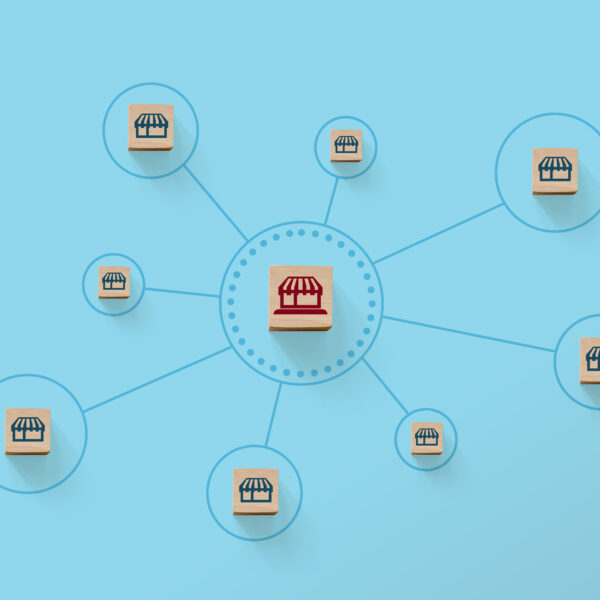
Expanding distribution is another essential factor in identifying sales growth opportunities in 2026. For direct sales brands, this does not mean abandoning the traditional person-to-person model. Instead, it involves enhancing and diversifying how products reach consumers.
Representative-driven networks can be strengthened through innovative logistics, better product availability, and improved support systems. For example, faster delivery times, flexible ordering, and hybrid fulfillment options can make a big difference in customer satisfaction and repeat purchases.
Strategic partnerships can also widen distribution. Collaborating with local businesses, event organizers, or community groups allows direct sellers to reach potential customers more efficiently. These partnerships can help representatives establish credibility and visibility in new areas.
Strengthening Representative Empowerment
To keep sales forces engaged and effective, brands should provide comprehensive training, accessible resources, and opportunities for skill development. Equipping representatives with up-to-date market insights allows them to speak confidently and credibly to their customers.
In addition, recognizing and rewarding performance fosters loyalty and enthusiasm. Incentive programs that go beyond commissions, such as recognition, advancement opportunities, and community support, can drive engagement and productivity. A motivated sales force not only sells more but also builds stronger relationships that lead to repeat business.
Leveraging Consumer Feedback
Listening to customers is one of the most powerful ways to identify where growth lies. Consumer feedback reveals what is working, what isn’t, and what could be improved. In 2026, feedback collection should be an ongoing process, not a one-time survey.
Brands that act on customer feedback demonstrate responsiveness, which strengthens loyalty and reputation. This ongoing cycle of listening, adapting, and improving ensures that a brand stays aligned with evolving consumer needs and expectations.
Innovation in Product Development
Innovation remains a cornerstone of growth. Identifying gaps in current offerings and introducing new products that meet emerging needs is an effective way to drive momentum. For direct sales brands, innovation should be guided by both customer insight and representative feedback.
In 2026, innovation will not only differentiate brands but also demonstrate adaptability—a trait customers increasingly value. Consistent renewal keeps a brand relevant and allows it to stay ahead of competitors in fast-changing markets.
Measuring and Optimizing Growth Strategies
Identifying growth opportunities is just the first step; measuring success is equally important. Brands should establish clear metrics to track the impact of their initiatives. These may include revenue growth by segment, customer acquisition rates, market penetration, and representative retention.
Regular analysis allows brands to adjust strategies based on results. Continuous improvement ensures that efforts remain aligned with business objectives and market conditions. Direct sales brands that adopt a mindset of ongoing evaluation and optimization will maintain long-term competitiveness.
To successfully identify and leverage sales growth opportunities in 2026, direct sales brands must adopt a multi-layered approach. It begins with comprehensive market research, evolves through targeted segmentation, and expands through new markets and improved distribution. Empowered representatives, customer feedback, and continuous innovation tie everything together into a sustainable growth model.
The brands that can expand your target market thoughtfully will see the greatest rewards. These companies will not only increase their revenue but also strengthen their brand equity and long-term customer relationships.
For business leaders wondering how to sell more in 2026, the answer lies in combining timeless direct sales principles with modern strategic insights. The path forward is about adaptability, authenticity, and alignment with the customer’s evolving journey.
In an era of rapid change, success favors those who look ahead, listen closely, and act decisively. By focusing on these principles, direct sales brands can confidently navigate the year ahead and uncover the opportunities that will define their next stage of growth.
The future of direct sales in 2026 belongs to the brands that balance tradition with transformation. By taking the time to understand their markets, segment intelligently, serve untapped customers, and strengthen their distribution, they will uncover powerful avenues for progress. The opportunity is vast, and the time to act is now.
D.I.M.E. helps you achieve next-level results through tailored brand positioning, strategic communication, and data-informed execution. Expand your reach with precision targeting, data-driven outreach, and compelling messaging that attract high-value prospects and drive conversions. Book a consultation to learn more about our marketing services and solutions.